
production road
production road

Converting paper drawings, work instructions, and standards into searchable digital formats accessible directly from the workstation.
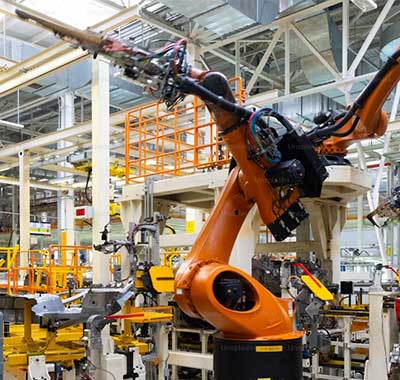
Implementing digital tools directly on the production line without disrupting ongoing operations.

Equipping workstations with tablets or terminals providing real-time access to drawings, instructions, and job assignments.

Designing and deploying networks, servers, and cloud environments (AWS, Azure) tailored to production requirements.

Implementing tools to track output, downtime, and quality in real time.
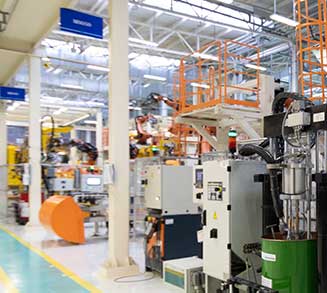
Identifying and automating repetitive tasks — requests, reports, checklists — without the need for developers.

Connecting office accounting systems with the production level — orders, stock levels, and job data flow to the line automatically.
Installing and configuring asset management, production control, and reporting systems.
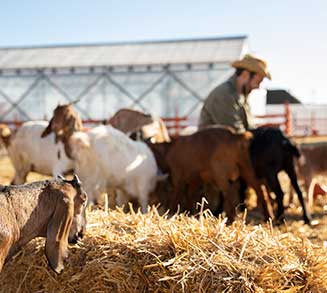
Implementing management and monitoring technologies for agricultural businesses.
Teaching production staff to recognise phishing and use digital tools safely.
Creating step-by-step guides tailored to specific production processes and tasks.
Streamlining onboarding using modern technology and structured training programmes.
Building internal wikis or portals so new employees find the right instruction in minutes, not by asking colleagues.
Producing short videos and visual cards for operations where text is impractical — at the machine, on the floor, on the assembly line.
Structuring knowledge transfer from experienced staff to newcomers using digital checklists and progress tracking.
Deploying tools (Slack, Teams, or equivalents) with channels configured for each team: shop floor, engineers, warehouse, office.
Replacing paper-based job orders with digital ones — engineers assign tasks, workers receive them on a terminal, status is visible to all.
Screens or dashboards on the production floor showing planned vs actual output, current tasks and status — clear to everyone, no reports needed.
Translating technical drawing requirements and specifications into clear production tasks. Eliminating errors caused by miscommunication.
Analysing where information is lost between departments and developing specific measures to close those gaps.
Auditing IT systems, identifying critical vulnerabilities, and developing a protection strategy.
Installing and configuring firewalls, antivirus software, SIEM, IDS/IPS systems.
Developing and implementing Disaster Recovery plans to minimise downtime.
Monitoring and ensuring compliance with legal and regulatory security requirements.
Studying production structure, identifying bottlenecks, and proposing and implementing improvements.
Developing and testing working tools, templates, and fixtures for specific production tasks.
Front-end development, building corporate interfaces and business tools.