
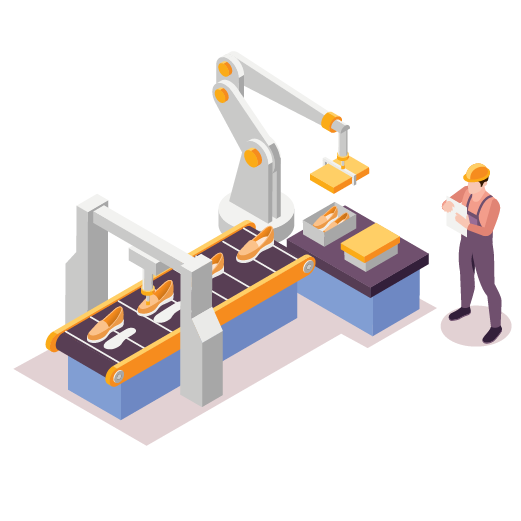
ERP/1C Integration with the Shop Floor
Inventory accuracy improvement is immediate and financially significant. In facilities without integration, physical stock rarely matches system records. Materials are consumed in production without being booked out in real time. Scrapped materials are not recorded promptly. The resulting discrepancy drives expensive periodic cycle counts, emergency purchases to address shortages the system did not predict, and production interruptions caused by unavailability that planning did not foresee. Integration, by capturing material transactions automatically at the point of use, eliminates the root cause of these discrepancies.
Production planning quality is directly dependent on the accuracy and timeliness of available data. When planning is based on manual status reports that are hours old, on inventory records not reflecting current reality, and on machine availability data from a supervisor’s morning phone call, the plan is working from approximate information from the moment of its creation. In an integrated environment, the planner has access to live production status, real-time material availability, and current machine status. Delivery commitments can be made with confidence.
For businesses supplying to customers with traceability requirements — automotive, aerospace, food production, medical device manufacturing — ERP-floor integration is not an operational option but a contractual and regulatory necessity. Traceability requires a documented record linking each unit of output to specific materials used, process parameters applied, and quality checks performed. Generated automatically through integration, this record is complete, accurate, and instantly retrievable.
The long-term competitive advantage of integration compounds over time. Financial reporting is more accurate because actual production costs are captured rather than estimated. Supplier negotiations are better informed because material consumption data is precise. The competitive advantage of operating from accurate, integrated data grows with every passing year.